Top 10 3D Printing Innovations in 2026 (and What They Mean for You)
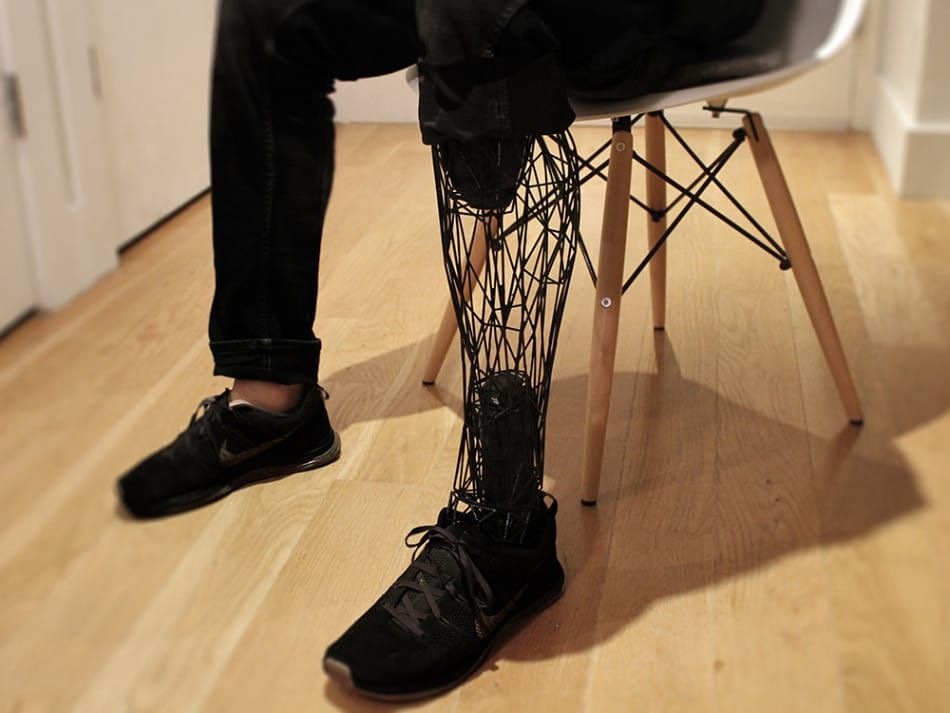
Five years ago, 3D printing meant waiting 12 hours for a single-color model that needed sanding, gluing, and painting before it looked presentable. In 2026, the landscape is unrecognizable. Multi-color prints roll off the bed ready to display. AI handles the settings you used to spend hours tweaking. Machines print five times faster than they did in 2021.
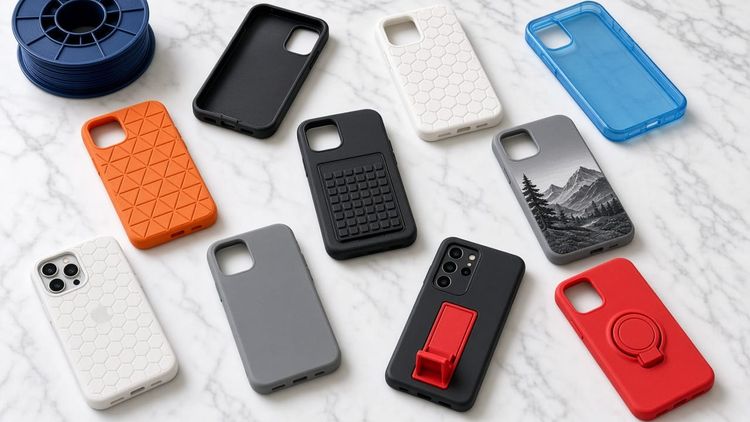
So what is 3D printing used for today? Everything from custom phone cases and cosplay helmets to aerospace components and human tissue scaffolds. The gap between "industrial breakthrough" and "something you can do at your desk" is shrinking every year.
This article covers the top 10 3D printing innovations that matter most right now, organized by how close they are to your desktop. Some you can buy today. Others are coming within a year or two. A few are still in the lab but worth watching. For each one, we explain why beginners should care.
1. Multi-Color and Multi-Material Printing
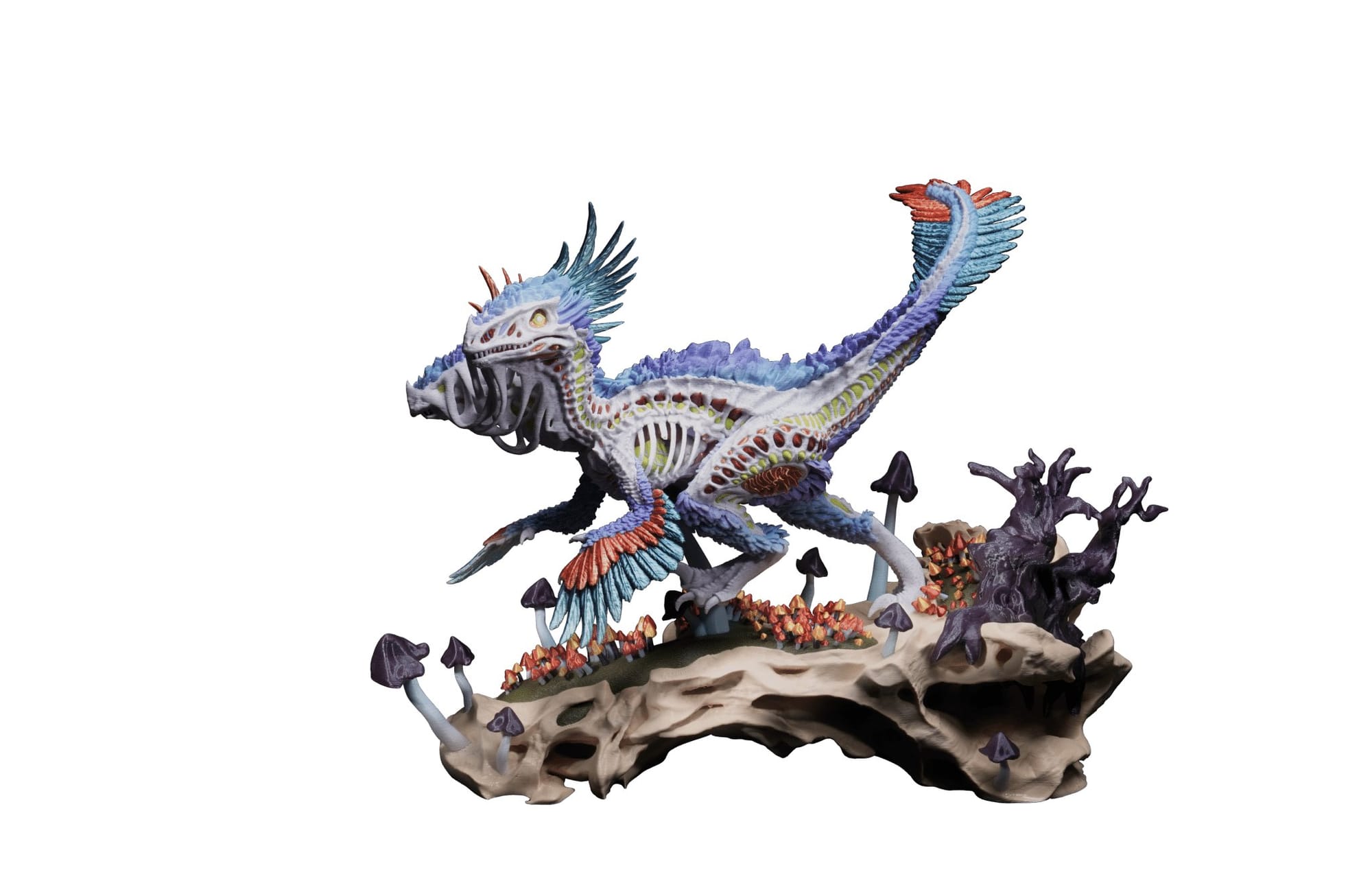
The single biggest quality-of-life upgrade in desktop 3D printing over the past two years is automated multi-color. What used to require manual filament swaps, painting, or owning multiple printers now happens in a single unattended print.
Bambu Lab's AMS (Automatic Material System) pioneered this at the consumer level. Load up to 4 spools per unit, chain multiple units together, and print in up to 19 colors without touching the machine. Anycubic's ACE Pro and Creality's CFS offer similar capability. The printer automatically retracts one filament, loads another, purges, and continues.
In mid-2026, researchers published a new method that accelerates color 3D printing even further by reducing purge waste and color-transition time. This means less wasted filament per color change (currently 1-3g per swap) and faster total print times for multi-color jobs.
Multi-material goes beyond just color. You can combine rigid PLA with flexible TPU in a single print: a phone case with a hard shell and soft bumper, or a mechanical assembly with stiff gears and rubbery grips, all printed at once.
Why it matters for beginners: You no longer need to learn painting or airbrushing to get colorful results. Design a model, assign colors in the slicer, hit print, and get a finished product. The barrier between "raw 3D print" and "display-ready piece" has essentially disappeared for color work.
2. AI-Powered Slicing and Print Optimization
Slicing, the process of converting a 3D model into printer instructions, used to be the steepest learning curve for beginners. Layer height, print speed, temperature, retraction, support placement... hundreds of settings that all interact with each other.
In 2026, AI handles most of this automatically. Bambu Studio leads the way with intelligent parameter recommendations based on your specific printer, filament brand, and model geometry. Upload an STL, and the software suggests optimal settings for that exact combination. It's not a generic "PLA profile" anymore; it's a profile tuned to your specific spool from your specific manufacturer.
The bigger innovation is real-time failure detection. Bambu Lab's AI-powered camera system watches your print layer by layer, comparing what it sees against what it expects. Spaghetti forming? First layer not sticking? The printer pauses and alerts you before wasting hours of time and meters of filament.
Auto-support generation has also matured. AI algorithms now place supports only where structurally necessary, minimizing material use and making removal easier. Some slicers generate tree supports that use 40-60% less material than traditional block supports.
Why it matters for beginners: The #1 reason people abandon 3D printing is failed prints from wrong settings. AI removes that frustration. You focus on what to make, not how to configure the machine.
3. Print Speed Breakthroughs
In 2020, a typical FDM printer ran at 40-60 mm/s. A moderately detailed model took 8-12 hours. In 2026, mainstream printers run at 300-500 mm/s, and flagship machines like the Bambu Lab H2S hit 1000 mm/s with acceleration rates above 20,000 mm/s².
This isn't just a number on a spec sheet. That 8-hour Benchy? It prints in under 20 minutes. A full-size helmet that took two days now finishes overnight. Rapid iteration, printing version after version to refine a design, becomes practical within a single afternoon session.
The enabling technologies behind this speed revolution:
- CoreXY kinematics: The bed stays still while the toolhead moves in XY, eliminating the momentum problems of bed-slinger designs
- Klipper firmware: Runs computations on a separate processor, enabling input shaping and pressure advance at high speeds
- Servo motors: Bambu Lab's DynaSense servos provide closed-loop feedback, detecting and correcting missed steps in real-time
- Input shaping: Compensates for vibration at high speeds, maintaining print quality even at 500+ mm/s
The Bambu Lab A2L delivers 500 mm/s at $469. Three years ago, that speed was exclusive to $2,000+ machines.
Why it matters for beginners: Faster prints mean faster learning. You can try, fail, adjust, and reprint multiple times in a single session instead of waiting overnight between attempts.
4. Desktop Laser and Hybrid Machines
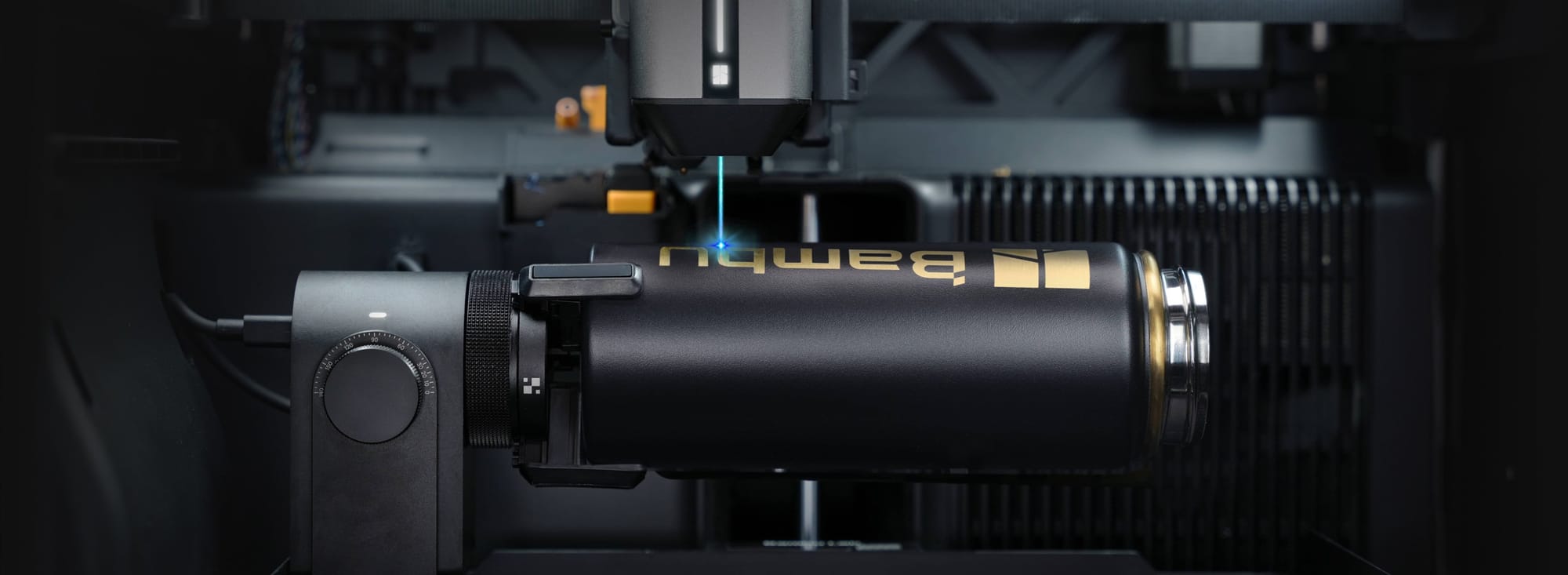
The concept of a single machine that handles multiple manufacturing processes arrived in consumer form in 2026. The Bambu Lab H2S combines large-format 3D printing with a 10W laser engraving and cutting module in one enclosed desktop machine.
The workflow: print a custom wooden box, then without moving the part, switch to the laser module and engrave a personalized logo. Or laser-cut thin plywood panels and 3D print the connectors that hold them together. The software handles both processes through the same interface.
The H2S laser cuts up to 5mm plywood and engraves wood, leather, and cork. For small businesses doing personalized products (engraved gifts, custom packaging, branded items), this eliminates the need for separate machines, separate software, and separate skills.
Beyond laser, the broader trend is toward multi-tool heads. Blade cutting modules (vinyl, paper, thin foam) already exist on the Bambu Lab A2L. Pen plotting for custom cards and artwork. The 3D printer is evolving from a single-purpose device into a general desktop fabrication platform.
Why it matters for beginners: Instead of buying three machines and learning three software packages, one machine covers 3D printing, laser engraving, and cutting. Lower cost, less desk space, one ecosystem to learn.
5. Metal 3D Printing Gets More Accessible
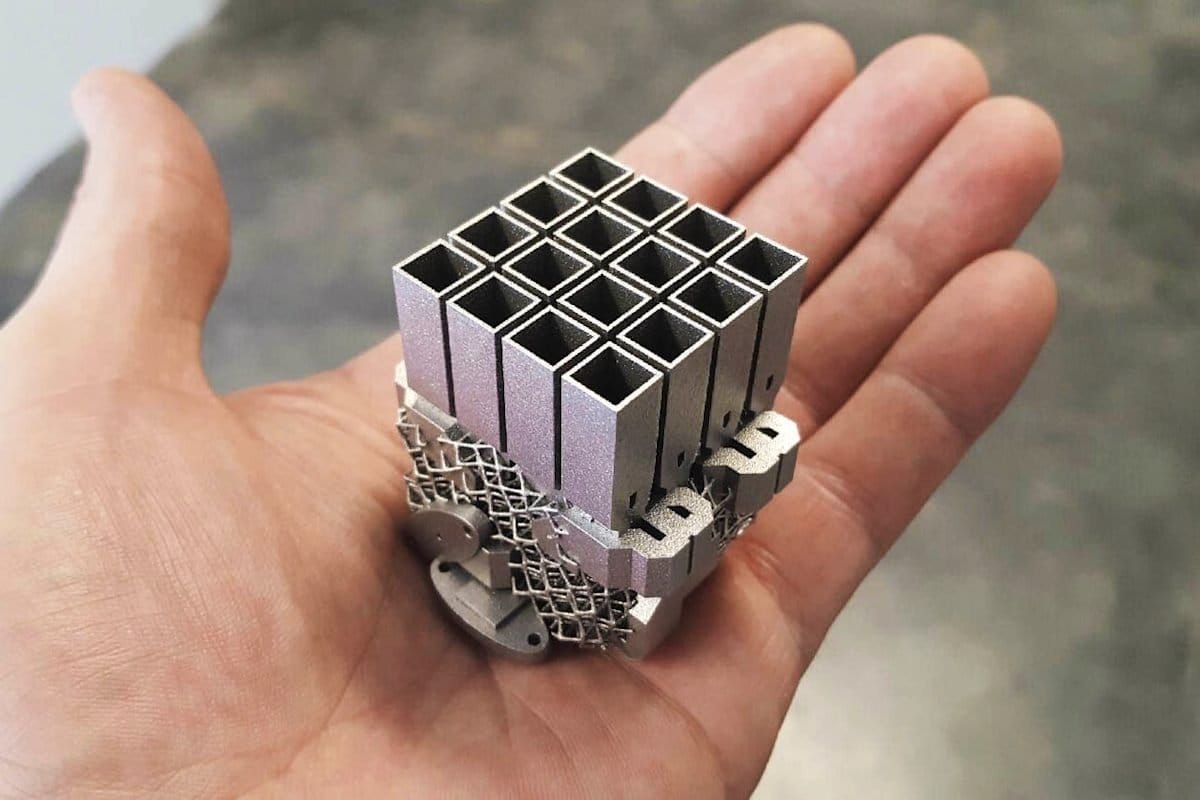
Metal 3D printing used to be strictly industrial. Selective Laser Melting (SLM) machines cost $200,000+ and required specialized training, inert gas environments, and extensive post-processing. In 2026, the accessibility picture looks very different.
Desktop-class metal systems from companies like Desktop Metal and Markforged have pushed prices below $100,000 for small-business and education use. Bound metal filament systems work similarly to FDM: print a "green part" in metal-infused filament, then sinter it in a furnace to burn away the binding agent and fuse the metal particles.
For the average hobbyist, true metal printing remains expensive. But the consumer-level equivalent is surprisingly good: metal-filled filaments (copper PLA, bronze PLA, stainless steel PLA) print on any standard FDM printer including Bambu Lab machines. The results look and feel metallic after sanding and polishing. For decorative and artistic purposes, the visual difference from solid metal is minimal.
And for those wanting genuine metallic properties, electroplating 3D prints applies real copper, nickel, or chrome to standard plastic prints for a fraction of the cost of metal printing.
Why it matters for beginners: You can achieve metal aesthetics today on a $469 printer using $30 filament. True structural metal printing is getting cheaper each year and will likely reach prosumer level by 2028-2029.
6. Large-Scale Construction and XXL Printing
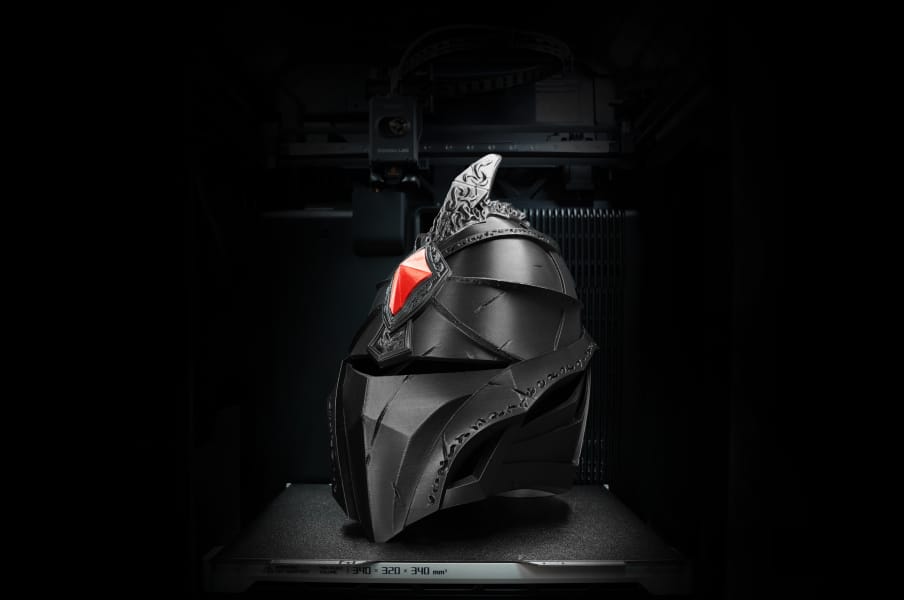
3D printing at architectural scale has moved from demonstration to deployment. Companies like ICON and Apis Cor are printing houses in 24-48 hours using specialized concrete extrusion systems. Military applications include rapid deployment shelters. Disaster relief organizations use construction printers to rebuild communities faster than traditional methods allow.
The technology is straightforward in principle: scale up an FDM extruder to handle concrete or polymer paste, mount it on a gantry or robotic arm, and print layer by layer. The challenges are in material science (curing speed, structural integrity) and scale (maintaining precision over 10+ meter spans).
This matters for desktop users because large-scale printing drives innovation in 3D printing in manufacturing that eventually trickles down. The motion control, material handling, and software advances developed for construction printers improve consumer large-format machines. In 2026, desktop printers with 300-500mm build volumes (like the Bambu Lab A2L at 330mm or the Sovol SV08 MAX at 500mm) deliver reliable large-format printing at consumer prices, directly benefiting from motion control algorithms developed for much larger systems.
Why it matters for beginners: Large-format desktop printers are the direct consumer descendants of construction printing R&D. The reliability you get from a $469 Bambu Lab A2L printing a full-size helmet in one piece is built on the same motion control research.
7. Bioprinting and Medical Applications
Bioprinting is where 3D printing technology arguably has its deepest societal impact. In 2026, the state of the art includes:
- Tissue scaffolds: 3D printed lattice structures that guide real cells to grow into functional tissue. Used in bone repair, cartilage regeneration, and skin grafting
- Custom prosthetics: Open-source designs printable on standard FDM printers. Cost dropped from $10,000+ (traditional) to $50-500 (3D printed), making prosthetics accessible in developing regions
- Surgical planning models: Surgeons 3D print patient-specific organ replicas from CT/MRI scans to practice complex procedures before entering the operating room
- Drug printing: Personalized medication with custom dosages, release rates, and even combined multi-drug tablets
The most headline-grabbing work, printing entire transplantable organs, remains in research. But functional mini-organs (organoids) for drug testing are already in use, reducing the need for animal testing.
Why it matters for beginners: You can download open-source prosthetic designs from model repositories and print functional assistive devices on a standard FDM printer. Several organizations coordinate volunteers to print prosthetic hands for children at zero cost to the family.
8. Continuous Fiber Reinforcement
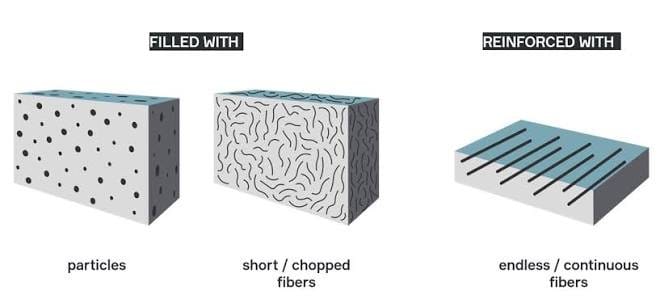
Standard FDM prints are strong enough for prototypes and display pieces, but they can't replace metal brackets, load-bearing structural components, or high-stress mechanical parts. Continuous fiber reinforcement changes this.
The process embeds an unbroken strand of carbon fiber, fiberglass, or Kevlar within the print layers. Unlike chopped fiber filaments (like Bambu Lab's PA-CF or PPA-CF), which mix short fiber fragments into the plastic matrix, continuous fiber runs the full length of the part. The result: tensile strength approaching aluminum at a fraction of the weight.
Markforged pioneered this with their industrial systems. Anisoprint offers a desktop-class option. In both cases, the printer lays down standard thermoplastic, then a second print head embeds continuous fiber along stress paths you define in the software.
For those not ready for dedicated continuous-fiber machines, Bambu Lab's support for short-fiber composites (PA-CF, PPA-CF/GF) on the H2S represents the accessible middle ground. These materials deliver 2-3x the strength of standard PLA while printing on a consumer machine with a heated chamber.
Why it matters for beginners: The path from "decorative plastic" to "structural material" is already mapped. Short-fiber composites are available today on consumer printers. Continuous fiber will follow the same cost-reduction curve within 3-5 years.
9. Volumetric and Light-Based Printing
Every 3D printing method you've seen works layer by layer. Volumetric printing breaks that paradigm entirely. Instead of building bottom-to-top one slice at a time, it cures an entire object simultaneously within a volume of photosensitive resin.
Tomographic printing (also called Computed Axial Lithography) projects 2D light patterns from multiple angles into a rotating vat of resin. Where enough light energy accumulates from different directions, the resin solidifies. The result: a complete object forms in seconds to minutes, regardless of complexity.
The advantages over layer-based methods are enormous. No layer lines (the object is truly isotropic), no support structures needed (the uncured resin supports the part during formation), and speed measured in seconds rather than hours.
The catch: it's still largely confined to research labs and early-stage startups. Resolution, material options, and build volume are all limited compared to mature technologies. Commercial systems exist but target specialized applications (dental, jewelry) at high price points.
Why it matters for beginners: This is the long-term future. When volumetric printing matures and reaches consumer pricing (likely 2030+), it will make current layer-based 3D printing technology look as primitive as dot-matrix printers look compared to laser printers. Worth watching, not yet worth buying.
10. Sustainable and Recycled Materials
3D printing has an environmental contradiction: it reduces waste compared to subtractive manufacturing (you only use material where you need it), but it also creates plastic waste from failed prints, supports, purge towers, and end-of-life parts. The 2026 innovation push is toward closing this loop.
Recycled filaments (rPLA, rPETG) made from post-consumer or post-industrial plastic waste are now commercially available at prices within 10-20% of virgin material. Print quality is comparable for most applications. Brands like Prusament and eSun offer certified recycled options compatible with Bambu Lab and other mainstream printers.
The longer-term vision is closed-loop desktop manufacturing: a filament recycler on your desk that grinds failed prints and support material back into usable filament. Desktop units exist (Filabot, 3devo) but remain expensive ($3,000+). As prices drop, the cycle of print-use-recycle-reprint becomes practical for hobbyists.
Beyond recycled plastics, material science is exploring algae-based filaments, wood-fiber composites, and even food-grade edible printing materials. The direction is clear: 3D printing is trending toward sustainability, not away from it.
Why it matters for beginners: You can buy recycled filament today at nearly the same price as standard rolls. Your failed prints and support waste don't have to go in the trash. Sustainability and 3D printing are converging, not conflicting.
How 3D Printing Innovations Reach Your Desktop
Not every innovation on this list is something you can use today. Understanding the technology pipeline helps you make better buying decisions and avoid hype.
The typical path: Research lab → academic publication → industrial prototype → industrial product → prosumer/enthusiast → mainstream consumer. This journey takes 5-10 years on average.
Already completed the journey (available now):
- Multi-color printing (AMS systems)
- AI-assisted slicing and failure detection (Bambu Studio)
- High-speed printing (500+ mm/s consumer printers)
- Auto bed leveling and calibration
- Hybrid laser+3D printing (Bambu Lab H2S)
Currently in transit (expect 2027-2029):
- Continuous fiber reinforcement at consumer prices
- Affordable desktop metal sintering
- Fully autonomous print farms (load filament, remove parts, start next job)
Still in the lab (2030+):
- Volumetric/tomographic printing for consumers
- Home bioprinting beyond simple scaffolds
- True multi-metal desktop printing
Bambu Lab is a useful case study in how this pipeline accelerates. In three years (2022-2025), they brought auto-calibration, AI monitoring, high-speed CoreXY, multi-color AMS, and hybrid laser manufacturing from "industrial only" or "DIY only" to plug-and-play consumer products. The pace of 3D printing innovations reaching everyday users is faster than it's ever been.
Latest 3D Printing News and Trends (Mid-2026)
A quick snapshot of the most significant 3D printing news from the first half of 2026:
- Bambu Lab H2S launched: The first consumer machine combining large-format 3D printing, 10W laser engraving/cutting, servo motors, and a 65°C heated chamber in one device. Signals the shift toward hybrid desktop fabrication
- New color printing acceleration method published: Researchers demonstrated a technique that reduces purge waste by up to 70% during multi-color prints, making color printing faster and more economical
- Recycled filament price parity approaching: Major filament brands now offer rPLA and rPETG within 15% of virgin material pricing, removing the cost barrier to sustainable printing
- Open-source AI slicer tools entering beta: Community-driven projects are bringing AI-powered print optimization to printers beyond Bambu Lab's ecosystem
- Construction printing deployments expanding: Multiple completed housing projects across the US, Europe, and the Middle East demonstrate viability beyond proof-of-concept
The pace of 3D printing innovations in 2026 suggests that the technology is entering a maturity phase where improvements compound on each other rather than arriving in isolation.
FAQ
What are the new advancements in 3D printing?
The most impactful new advancements in 2026 are multi-color printing systems (print in 19+ colors automatically), AI-powered slicing that eliminates manual parameter tuning, print speeds reaching 1000 mm/s (10x faster than 2020), and hybrid machines combining 3D printing with laser engraving in one device. On the industrial side, continuous fiber reinforcement and more accessible metal printing are expanding what printed parts can structurally handle.
What's the coolest thing you can 3D print?
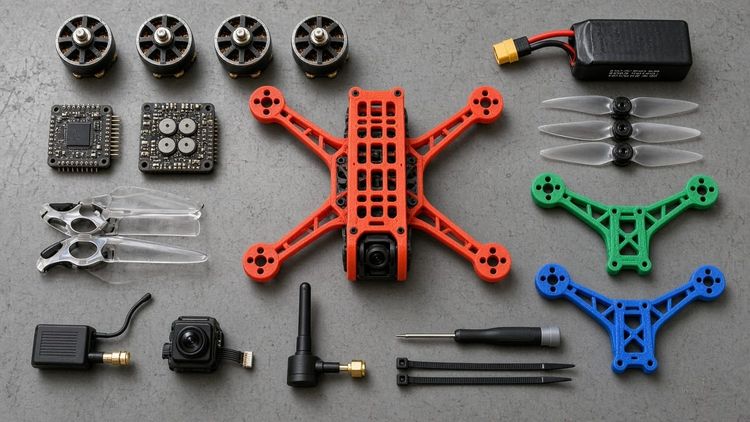
Full-color cosplay helmets in a single print run (no painting needed), functional mechanical watches with printed gears, playable musical instruments (violins, flutes), custom prosthetic hands for children, articulated dragons and fidget mechanisms that print pre-assembled, and lightweight drone frames that actually fly. With multi-material printing, you can create flexible hinges integrated directly into rigid parts.
Is anything illegal to 3D print?
Yes. Printing firearm components (receivers, frames) is illegal or heavily restricted in most countries, including the UK, EU, Australia, and parts of the US. Reproducing patented objects for commercial use violates IP law. Copying copyrighted designs (branded characters, trademarked logos) without permission is also illegal. The printer itself has no restrictions. It's what you choose to make and what you do with it that determines legality.
What is the holy grail of 3D printing?
The holy grail is fully autonomous on-demand manufacturing: press a button and get a finished product in any material, any color, requiring zero post-processing, in minutes rather than hours. No supports to remove, no sanding, no assembly. We're closer than ever (multi-color eliminates painting, AI eliminates settings, speed eliminates waiting), but true "replicator" capability remains a future goal. Each innovation on this list chips away at a different remaining barrier.


Comments ()