The 3D Printer That Says No: Safety Feature or Scary Overreach?
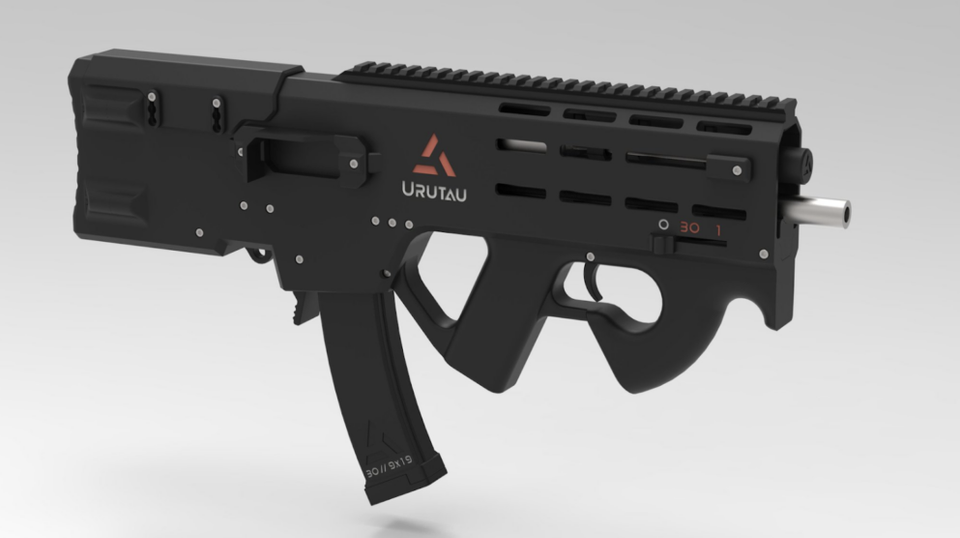
Imagine sending a file to your 3D printer — only for the machine on your desk to refuse, deciding the model breaks a rule you never agreed to. It sounds like science fiction, but it's a very real conversation happening right now in the maker community.
What Is It
A thought-provoking question posed on r/3Dprinting is sparking serious debate: Should 3D printers be able to scan files before printing and block jobs they deem "unsafe" or rule-violating? The post — which digs into proposed legislation and recent developments in the 3D printing industry — isn't just hypothetical. With governments around the world exploring ways to regulate additive manufacturing, particularly around printed weapons, the idea of manufacturer-enforced content restrictions is moving closer to reality than many makers realize.
The scenario is straightforward but loaded: your printer scans every file, cross-references it against some ruleset, and simply refuses to start if it flags a violation. No print. No override. Done.
Why It's Cool — And Why It's Complicated
On the surface, the safety argument has some intuitive appeal. Automated safeguards already exist in other technologies — think app store reviews, content moderation, or region-locked DVDs. Proponents might argue that baked-in restrictions could prevent dangerous objects from being printed by inexperienced or malicious users, potentially reducing liability for manufacturers and giving regulators a tidy solution.
But the maker community isn't buying it — at least not without a fight.
The core pushback is about ownership and autonomy. When you buy a 3D printer, you're buying a tool. The idea that a manufacturer — or a government body — could remotely (or automatically) dictate what that tool does feels fundamentally at odds with the open, creative spirit that makes 3D printing so revolutionary in the first place. Who defines "unsafe"? Who writes the rules? Can those rules be updated silently? Can they be weaponized against legitimate uses like medical devices, replacement parts, or artistic expression?
The slippery slope concern is real. A filter designed to block weapon components could — intentionally or not — flag prosthetic fingers, theatrical props, or protest art. Once the infrastructure for file-level control exists, expanding its scope becomes technically trivial.
There's also the right-to-repair dimension. Millions of people use 3D printers to print parts that manufacturers would rather they buy new. A content-filtering system could, conveniently, protect corporate interests under the banner of "safety."
Try It Yourself
This debate is still in its early stages, which means your voice matters right now. Here's how to engage:
- Join the conversation on r/3Dprinting and share where you stand — the original post is actively gathering community perspectives.
- Follow proposed legislation in your region related to additive manufacturing and digital fabrication rights.
- Support open-source firmware projects like Klipper and Marlin that keep printer control firmly in the hands of users.
- Watch for manufacturer policy updates — the terms of service for cloud-connected printers are worth reading carefully.
The 3D printing community has always championed openness, creativity, and the democratization of manufacturing. Whether file-blocking becomes a cautionary tale or a cautious safeguard may depend on how loudly makers speak up today.
What do you think — safety feature or manufacturer overreach? The conversation is just getting started.
Source: r/3Dprinting


Comments ()